4.1 Selection
4.1.1 Right from the initial project evaluation stage, a suitable methodology that incorporates the implications of use of glass materials and their influence on performance of the building shall have to be looked into. A typical flowchart outlining such a methodology is provided for the users of this Section (see Fig. 1).
It is assumed that,
a) the location of area to be glazed and its preliminary size/shape have been decided as part of normal building design process.
b) the designer has gained information on glass/ and plastic glazing sheet materials used in similar circumstances.
c) the designer is cognizant of implications of any innovation in design.
4.1.2 Design requirement including aesthetic considerations and client specified requirements such as security and maintenance to be considered.
4.1.3 Effect of design on cost such as initial cost of glazing (specification of glass/plastic sheeting material; glazing method; access for initial glazing; work schedule; protection during construction); effect of glass/plastic sheeting material on capital/running cost related to building heating/cooling, lighting and ventilation; and maintenance cost of glazed areas (access for cleaning and reglazing) should be considered.
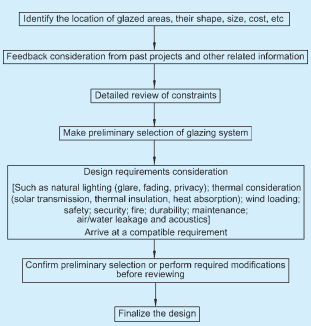
FIG. 1 TYPICAL SEQUENCE OF DESIGN EVALUATION FOR GLAZED AREAS
PART 6 STRUCTURAL DESIGN — SECTION 8 GLASS AND GLAZING
4.1.4 Selection of appropriate glass may be done considering the cost benefit analysis in respect of the benefit accrued against the alternatives available. Also, the comparative cost of glazing materials should be considered together with their life expectancy and probability of need for maintenance. In the context of selection of glass, the provisions given in the Part 11 'Approach to Sustainability' of the Code may also be considered in addition to the cost benefit analysis on the use of glass vis-a-vis use of other alternatives. To suitably modify to indicate that the selection of appropriate glass may be made considering the cost benefit analysis in respect of the benefit accrued against the alternatives available.