In addition to Code compliance, ECBC has introduced two voluntary performance thresholds for buildings that choose to go beyond Code and achieve higher energy performance (Figure 2.1).
The materials and technology to design a high performance building is available in the market today. The first cost might be higher, but the life cycle cost is lower. In the near future, market transformation will make high performance buildings mainstream. This will further help in the smooth transition to the next technical update of the Code with higher stringency levels eventually leading the country towards the netzero energy goal.
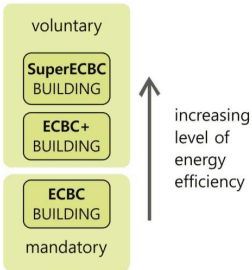
Figure 2.1 Energy efficiency performance levels
The code prescribes the following three levels of energy efficiency:
(a) Energy Conservation Building Code Compliant Building (ECBC Building)
The Code compliant building will incorporate all the minimum requirements as enumerated in the Code. Buildings that are in the purview of the Code will have to be an ECBC building at the minimum.
ECBC Buildings shall demonstrate compliance by adopting the mandatory and prescriptive requirements listed under ECBC Compliant Building requirements in §4 to §7, or by following the provisions of the Whole Building Performance (WBP) Method in §0.
(b) Energy Conservation Building Code Plus Building (ECBC+ Building)
This is the first threshold of performance beyond Code compliance.
ECBC+ Buildings shall demonstrate compliance by adopting the mandatory and prescriptive requirements listed under ECBC+ Compliant Building requirements §4 to §7, or by following the provisions of the
Whole Building Performance (WBP) Method in §0.
(c) Super Energy Conservation Building Code Building (SuperECBC Building)
This is the second and highest threshold of performance beyond Code compliance. High performance buildings can aim to meet the SuperECBC requirements.
SuperECBC Buildings shall demonstrate compliance by adopting the mandatory and prescriptive requirements listed under SuperECBC Compliant Building requirements in §4 to §7, or by following the provisions of the Whole Building Performance (WBP) Method in §0.
security, health, or environment by Central, State, or Local Government.
(b) Bureau of Energy Efficiency’s Standards and Labelling for appliances and Star Rating Program for buildings, provided both or either are more stringent than the requirements of this Code.
Largely, technology update takes place faster than technical updates in the Code. It is important for a Code to stay current to achieve it larger goals of energy efficiency over time. Thus, to keep the Code dynamic, the above-mentioned codes, programs and policies have been included so that the latest in the technological requirements will take precedence as when it is introduced.
2.2 Building Systems
The provisions of this code apply to:
(a) Building envelope,
(b) Mechanical systems and equipment, including heating, ventilating, and air conditioning, service hot water heating,
(c) Interior and exterior lighting, and
(d) Electrical power and motors, and renewable energy systems.
The provisions of this code do not apply to plug loads, and equipment and parts of buildings that use energy for manufacturing processes, unless otherwise specified in the Code.