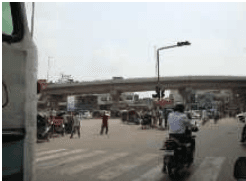
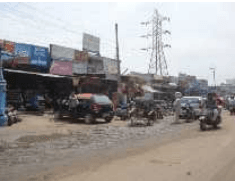
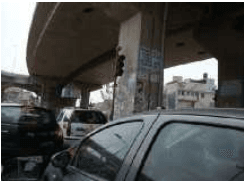
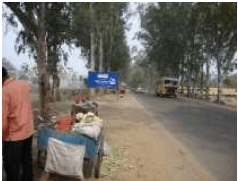
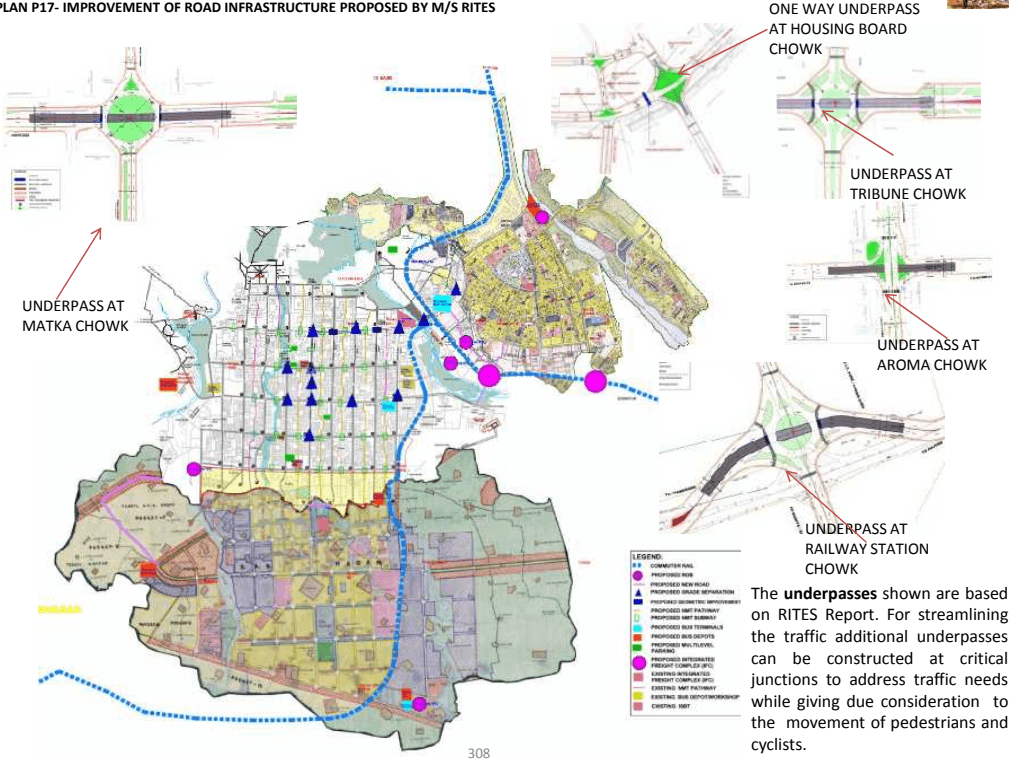
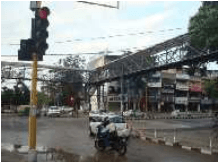
Chandigarh’s road network is under intense pressure today due to increase in population, explosive growth in the number of private vehicles which has increased the number of personalised vehicles, partly due to the absence of an efficient and reliable public transport system. There are limitations on the road space that can be provided within the existing built up environment.
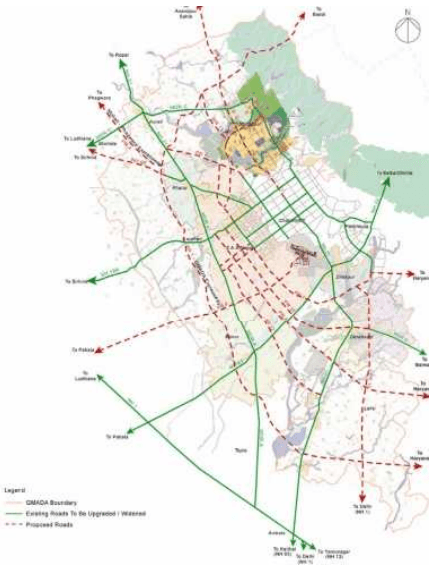
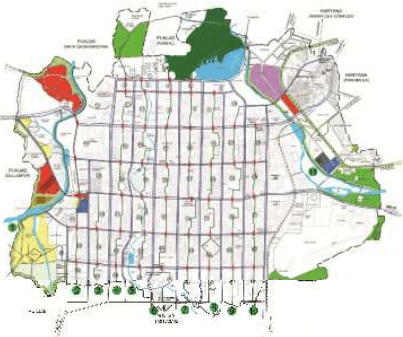
Expansion of the city to the periphery of UT and permitted land use changes have resulted in new travel corridors.(Refer chapter - 13 on Land Use )
New roads to provide / improve connectivity of the developments in the peripheral areas generating criss-cross movement across the city and increased inter sector commuting.
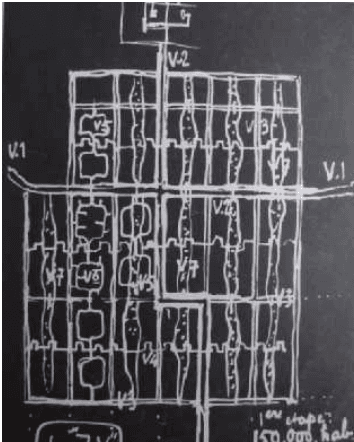
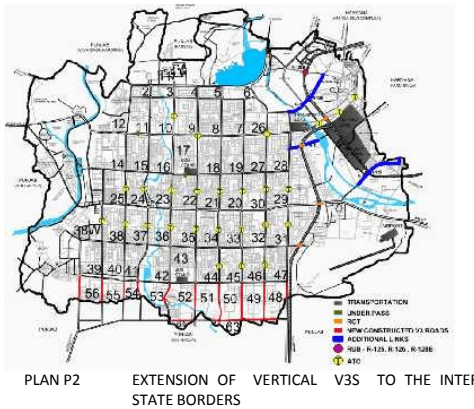
The 7V and the sectoral concepts have not been followed while urbanising the rural areas .
Urban development across the Patiali ki Rao and Sukhna Choe has been piecemeal, with some areas having poor accessibility.
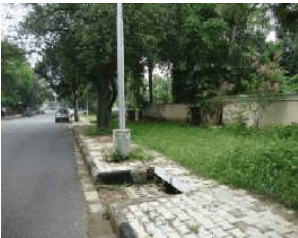
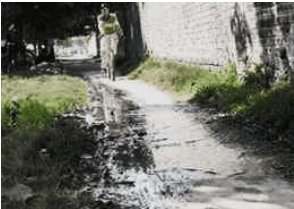
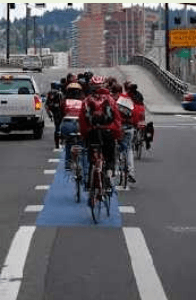
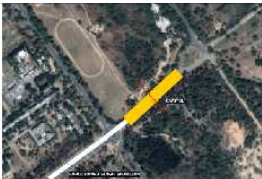
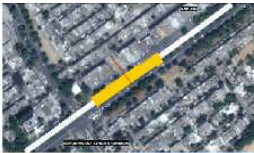
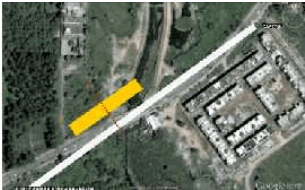
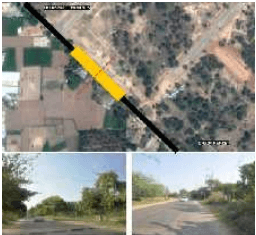
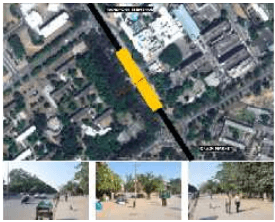
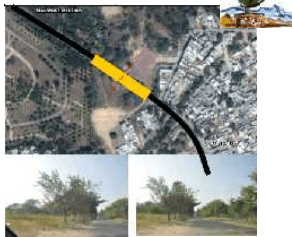
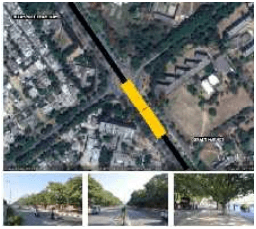
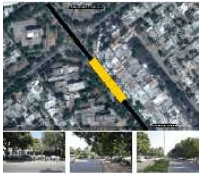
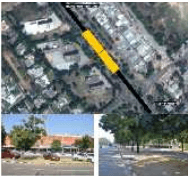
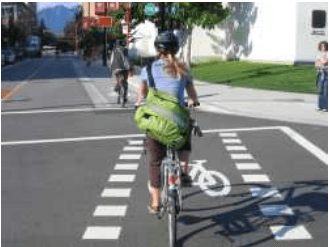
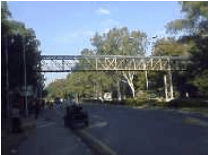
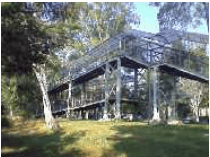
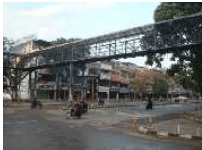
No provision has been made for pedestrians /cyclists in trans choe developments or on the high level bridges constructed over the choes despite many commuters using these modes .
Large volumes of inter-city traffic
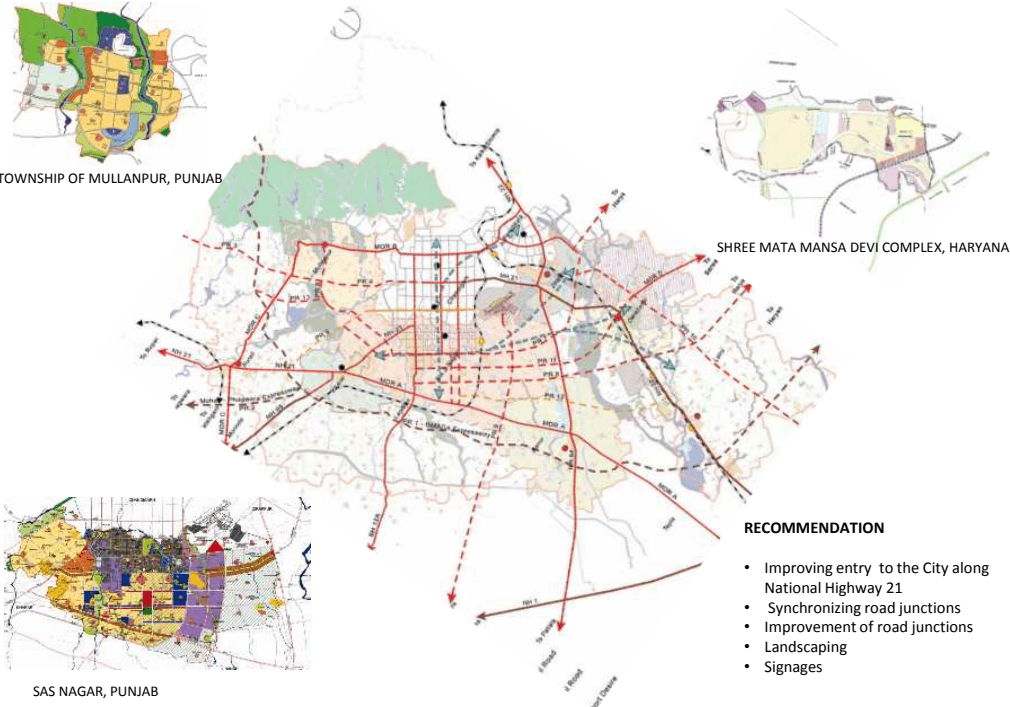
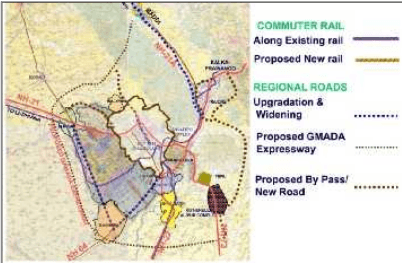
There is now a lot of intercity vehicular traffic from the neighbouring states which have strong daily interaction with the city. The emergence of the new towns of Mullanpur and Naya Gaon adjoining the city, and the planned expansion of existing towns in the neighbouring states are also likely to generate new travel corridors exerting further pressure on the city’s arteries. Consequently, the well defined planned hierarchy of roads has been disturbed both due to intercity traffic and increased traffic within the city, including that from the wholesale markets .
High volumes of through traffic across the city:
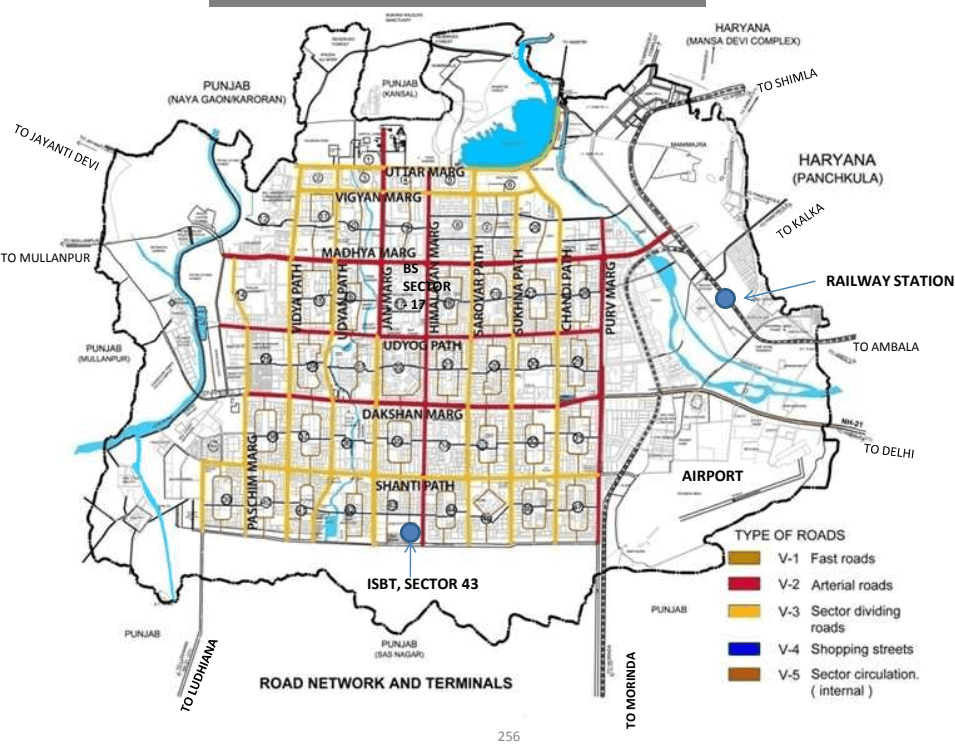
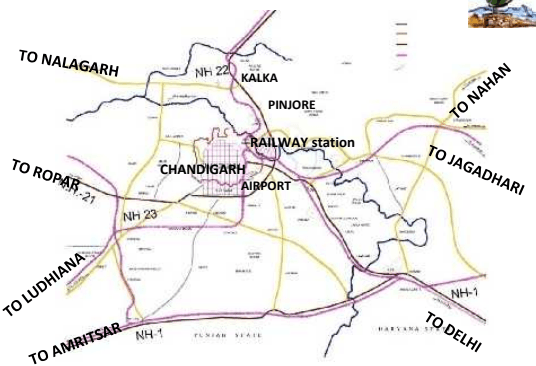
The total daily (24 hour) traffic studies at outer cordon points indicate that about 1,52,650 vehicles enter or leave Chandigarh Urban Complex on a typical working day. There is also high through passenger and freight traffic across the city. Madhya Marg is envisaged to be the worst affected of the roads since it provides the shortest and the direct connection between the towns of Punjab Mullanpur /Kharar /Anandpur Sahib and Baddi in Himachal on the West and the eastern towns of Manimajra, and towns of Panchkula, Panchkula Extension, Pinjore Kalka, Chandimandir Cantonment in Haryana and further to the towns of Parwanoo, Shimla etc. in the state of Himachal Pardesh. The through traffic across the city had added to the congestion on the road.
As per the surveys conducted by M/s Rites in 2008, the daily total inter city passenger traffic with the Chandigarh Urban Complex is 4.93 lakh trips (cars, 2 wheelers, auto rickshaws and buses) about 1.41 lakh of which comprise through trips which is 28.7% of the total traffic. The demand for through traffic is shown in Figure 10.
Of the total traffic of 26934 vehicles (LCV, Trucks and MAV) about 11062 vehicles are through which is about 41% of total traffic. Traffic desire for through movement is shown in Figure 11. This also indicates the need a bypass road to around Chandigarh Urban Complex. With business as usual scenario, the Volume /Capacity (V/C )ratios on all major corridors are expected to be well above ‘1’ by year 2021. The situation is likely to worsen considering the high growth anticipated in CUC and nearby towns.
Figure 10
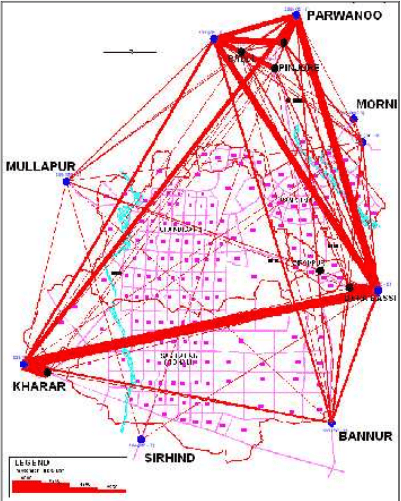
DESIRE PATTERNS OF INTER-CITY PASSENGERS IN THE STUDY AREA (2008)
Figure 11
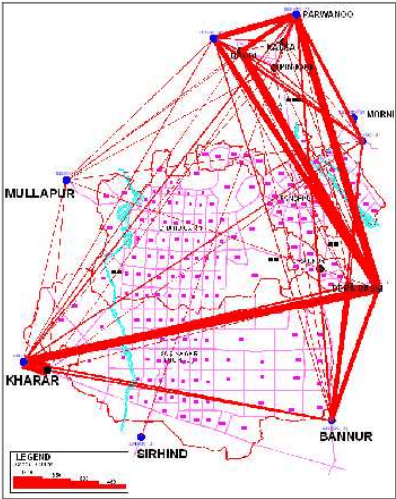
DESIRE PATTERN OF INTER-CITY GOODS TRAFFIC IN THE STUDY AREA (2008)
Traffic composition on roads indicates a very high share of two wheelers on most roads. The share of cars is also growing. On some of the roads, the share of two wheelers and cars in total traffic is more than 80% indicating inadequacy of the public transport system.
The household travel surveys indicate high ownership of cars and two wheelers.
86% of households own at least one car or twowheeler.
At present, modal split in favour of public transport is only 16% of total motorised person trips which is much lower than that recommended in the National Urban Transport Policy. This is due to the high growth rate in personalized motor vehicles, This low modal share is likely to fall further unless an effective public transport system is put in place at the earliest.
The city has the highest car per capita of motorised vehicles in the country. There were more than 6 lakh motor vehicles registered in Chandigarh in 2005. Two wheelers account for around 71.5% and cars/jeeps around 27% of the total vehicles registered.
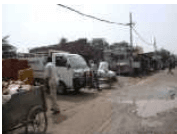
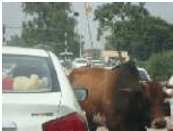
7V CONCEPT NOT ADOPTED IN RURAL AREAS
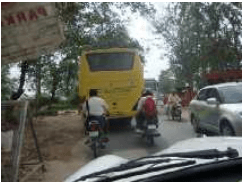
CATTLE OBSTRUCTING TRAFFIC IN PERI URBAN AREAS
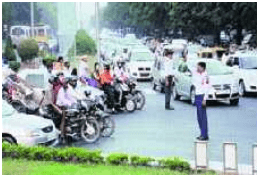
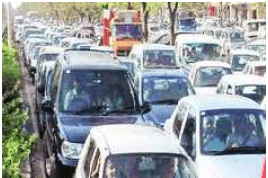
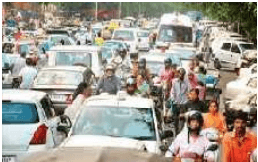
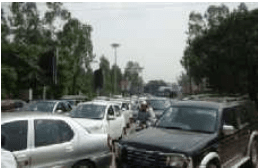
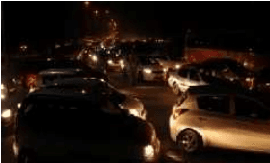
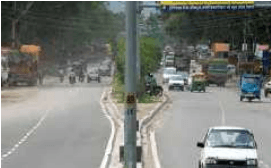
HEAVY TRAFFIC JAMS ON THE CITY ROADS
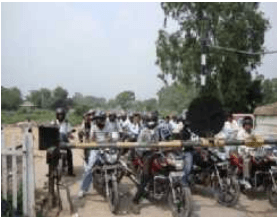
Railway line an obstruction to the smooth flow of traffic:
The railway line passing through the city is a hindrance to seamless connectivity in the absence of ROB’s /RUB’s Manimajra, Mauli Jagran, Panchkula Town located across the railway line and daily commuters are put to great inconvenience at railway crossings.
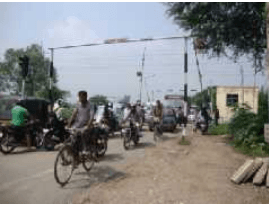
Railway line an obstruction to the smooth flow of traffic:
Pressure on Madhya Marg
Madhya Marg with the high level bridge across the railway line and Sukhna Choe is at present the only encumbrance free direct approach to trans Sukhna Choe areas and as such attracts high traffic volumes which lead to high traffic congestion especially during working hours .