The rainfall extremes have increased owing to climate change. Natural ways to absorb urban water are about 50% more affordable than man-made solutions, and are 28% more effective, according to earlier research by global design firm Arup and the World Economic Forum (source: https://climatechampions.unfccc.int).
As climate change brings increasing flood threats, areas need to be designed like giant sponges that allow water to drain away safely. The method to achieve this scenario requires ample nature based solutions which can be site specific and is to be supported with considerable research on ground character. The wetlands within the corporation play key role in water retention and therefore any development brought into the site should be sensitive to it.
75
As mentioned in the sectoral proposals for disaster management section, green infrastructure through conservation of existing cluster of wetlands and marshes can be adopted. Nature based solutions in reducing runoff water and improving the capacity of detainment in canals, water bodies, open green spaces could be implemented. The existing wetlands can be used as reservoirs to hold the excess runoff through engineered depressions, ponds etc. In order to achieve this at target locations, measures can be adopted through Local Area Plans or through Detailed Town Planning Schemes.
URBAN REFORMS
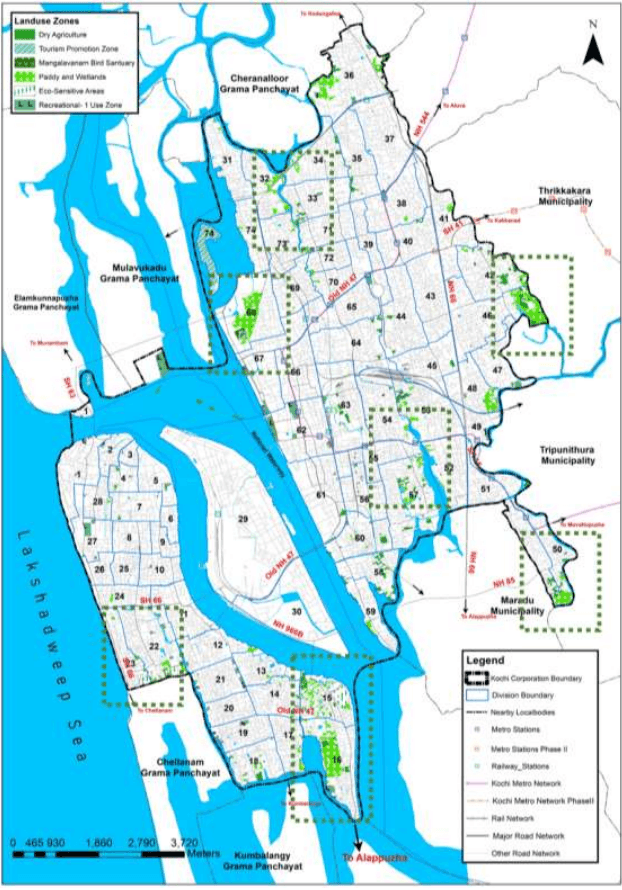
Figure 30:3 Sponge City Concept Source: Generated by LSGD (Planning)