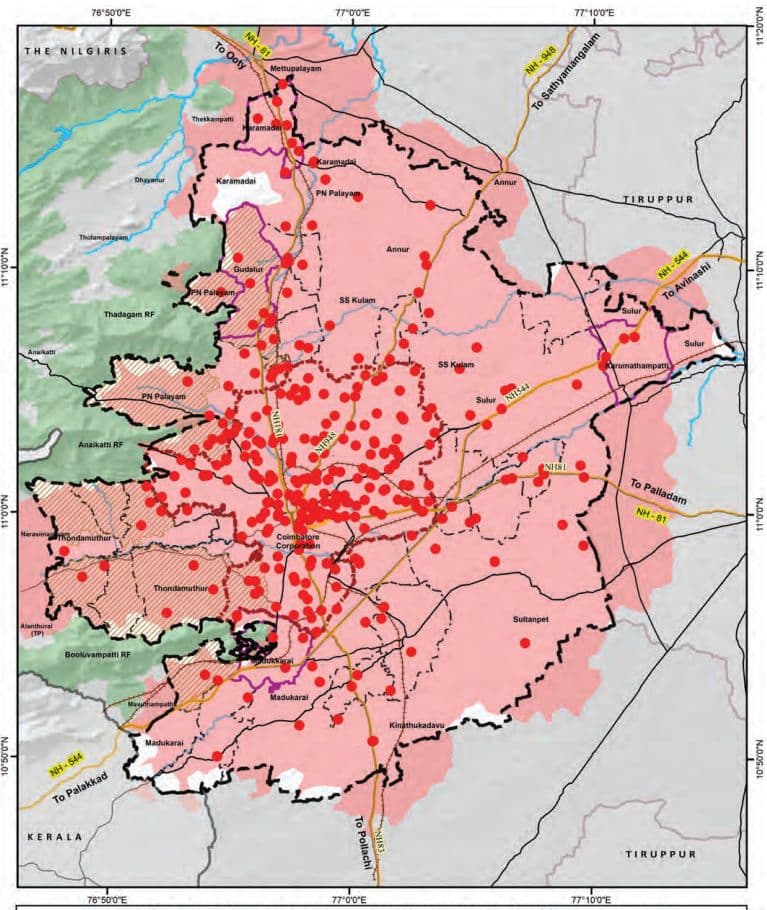
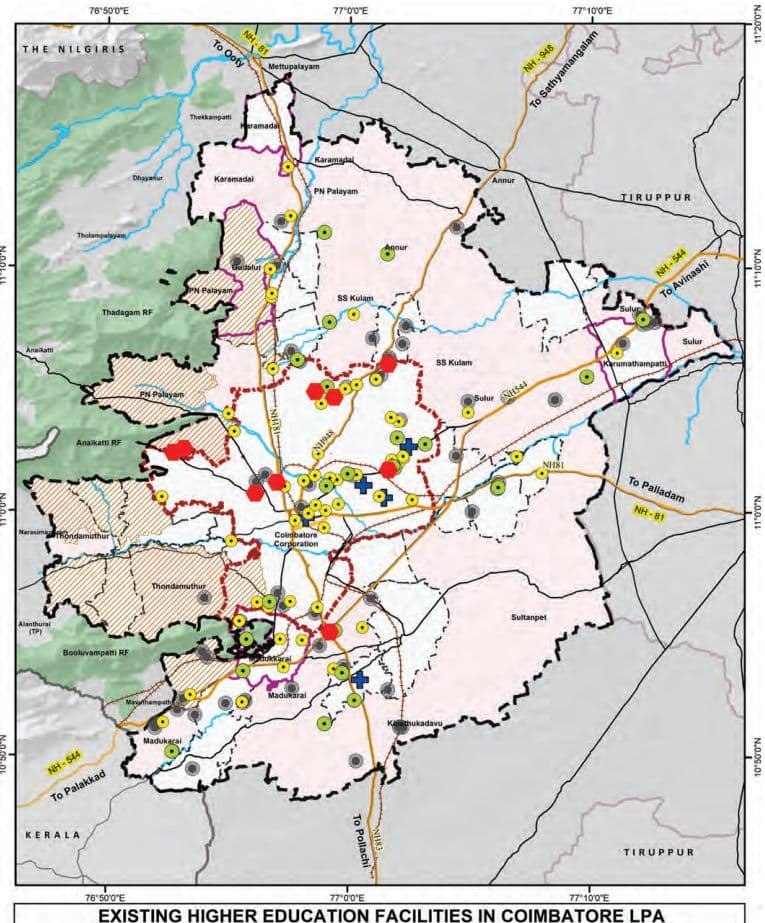
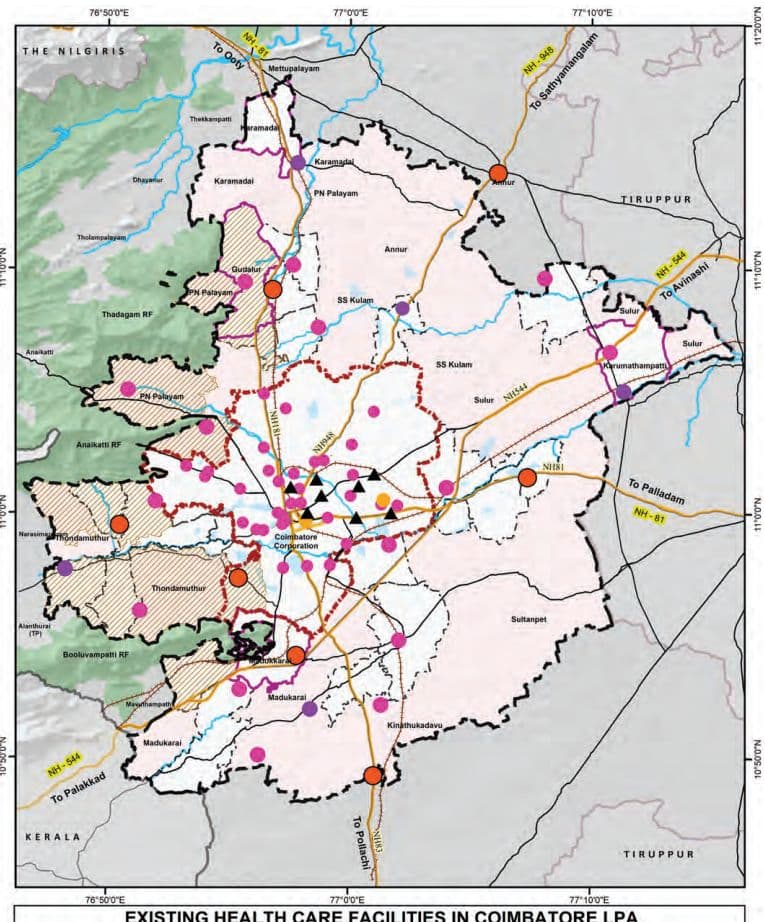
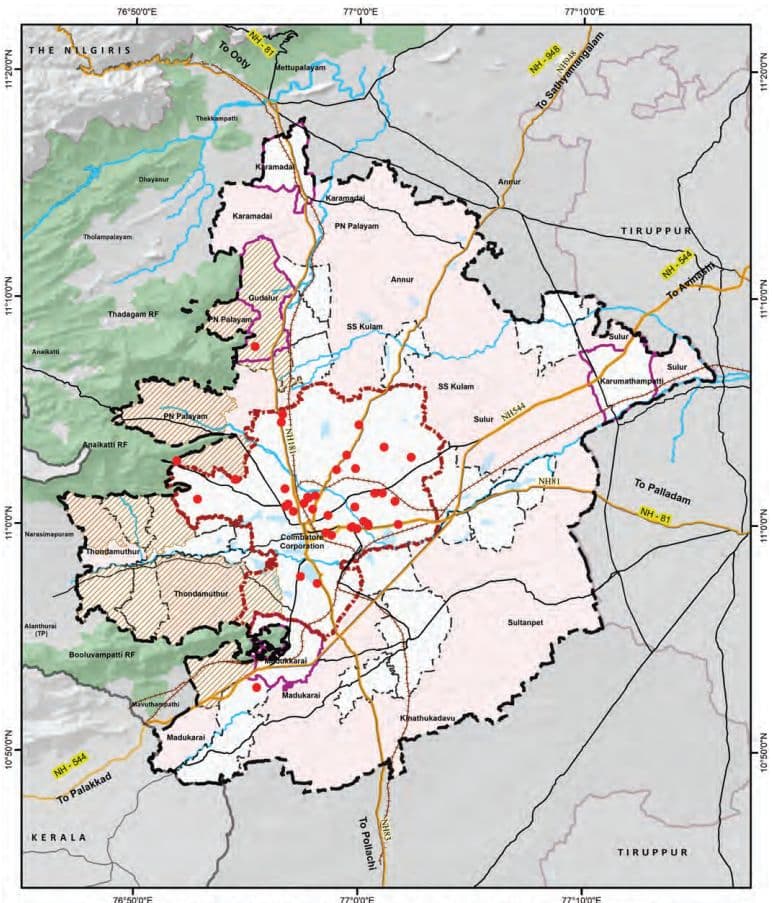
The concept of the “Golden Hour” represents the critical first sixty minutes following a traumatic injury, during which timely medical intervention significantly enhances the chances of survival and reduces the risk of long-term complications. Within this timeframe, the ability to provide rapid on-site stabilization and swift transportation to a trauma care center is essential.
Access Time: While the full “golden hour” encompasses 60 minutes, studies and emergency response protocols indicate that the first 10 following an incident are especially vital for determining outcomes. In a practical scenario, however, the time taken for an ambulance to reach the site of injury and few additional time may be required to transport the patient from the site to the trauma care facility. This time taken is also depending on various factors such as terrain, traffic, and resource availability.
However, the travel time coverage modeled in this analysis is intended to represent a conservative estimate of the outbound journey, effectively accounting for a total response window of approximately 20 to 25 minutes. This approach enables the identification of areas where a patient can reasonably be reached and transported to a trauma care center within the “golden hour” framework, accounting for both directions of travel.
Coimbatore has witnessed significant growth in road infrastructure, vehicular movement, and population density. With this rapid growth comes an increased risk of road traffic accidents and associated trauma. In such a context, assessing the spatial distribution of trauma care accessibility within this practical response window becomes imperative to inform health system strengthening, infrastructure investment, and emergency preparedness planning.
11.4.2.1 Network Analysis - for the Health Care Service Coverage Analysis:
The network study is designed to identify Revenue Villages and urban areas that fall within this access zone, as well as those that remain underserved. The analysis was conducted using GIS, OpenRouteService (ORS) Tool, and Open Street Map (OSM), considering the road network.
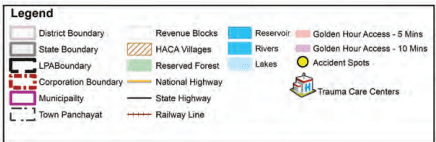
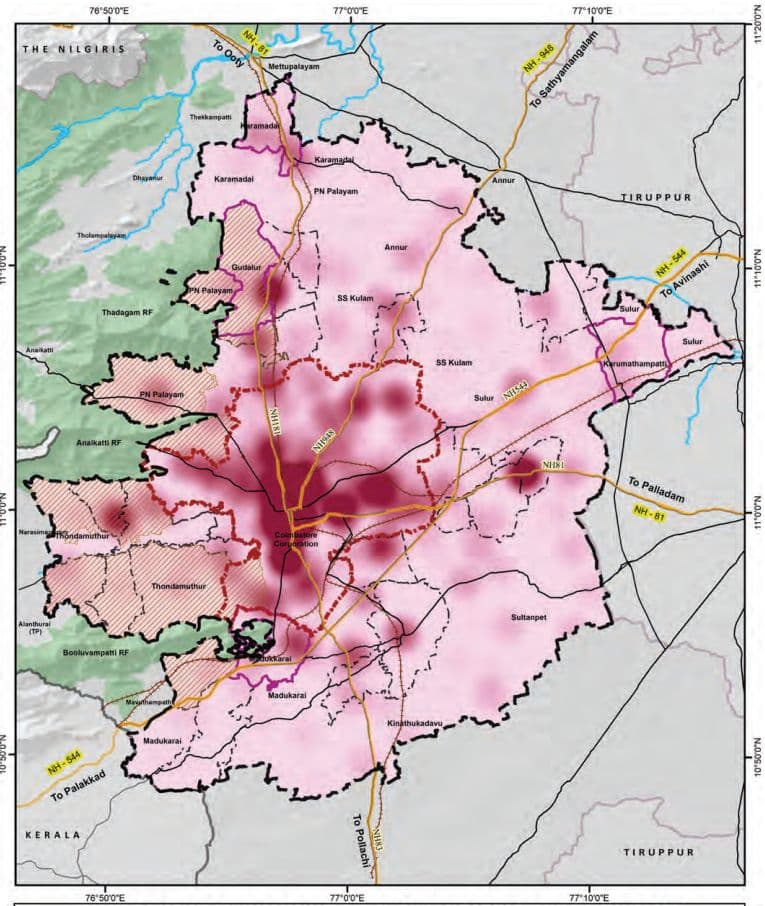
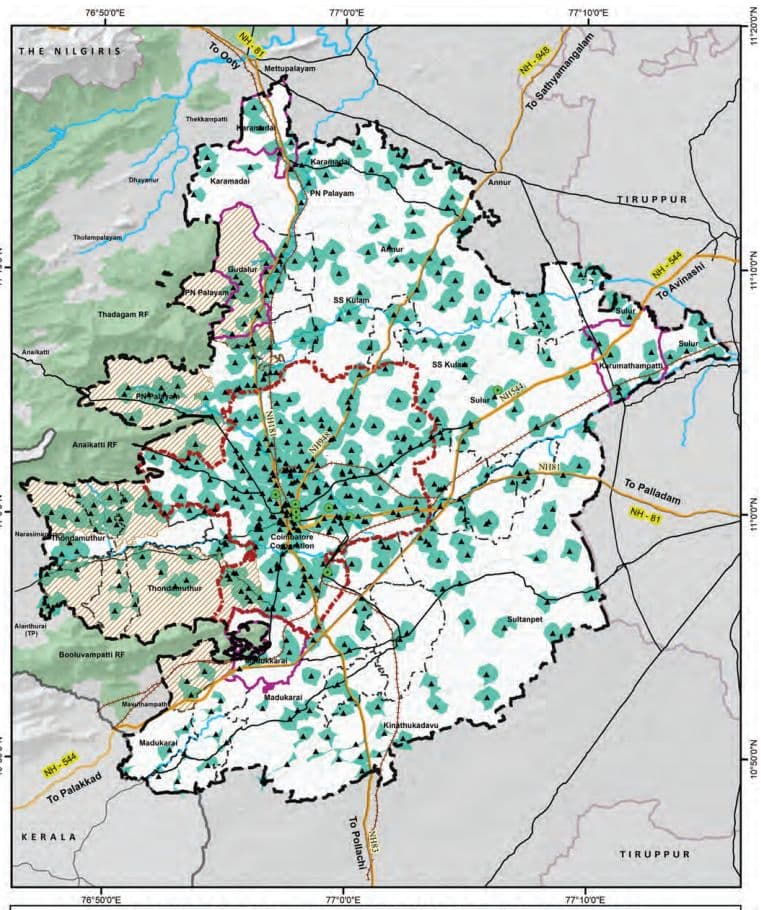
Map 11.11: Golden Hour Coverage Analysis (5-10 mins coverage)
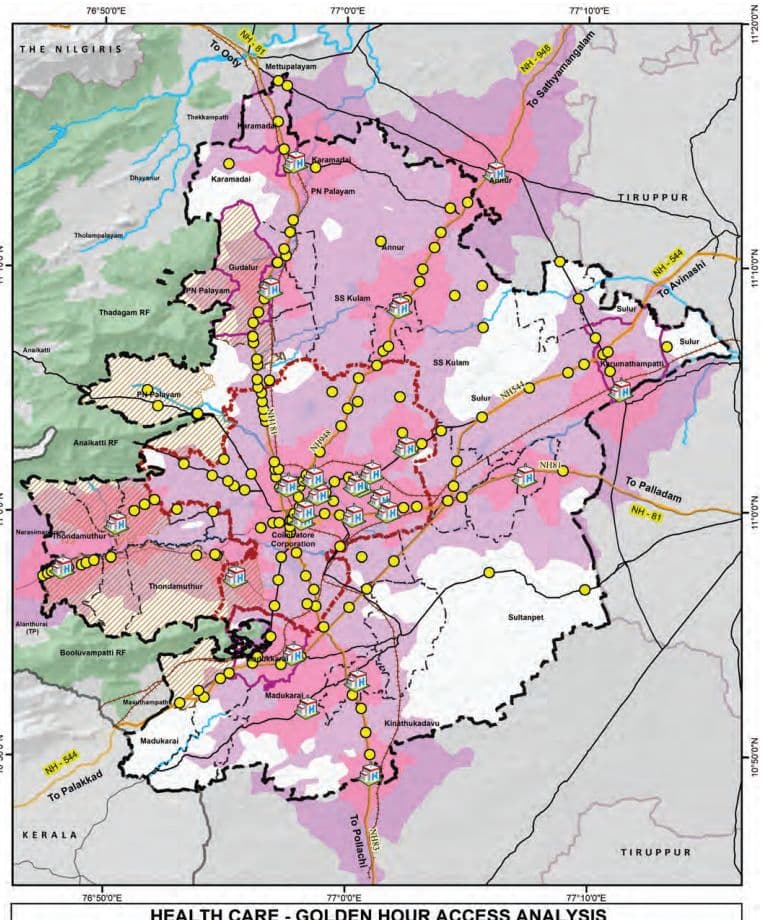
HEALTH CARE - GOLDEN HOUR ACCESS ANALYSIS
Network Analysis Inference: The analysis of trauma care accessibility in Coimbatore LPA reveals significant spatial disparity between urban and rural regions.
• Urban areas such as the Coimbatore Municipal Corporation exhibit a high level of emergency service coverage, with approximately 95% of the area falling within the golden hour access zone.
Similarly, municipalities and town panchayats show substantial coverage levels of 85% and 81% respectively, reflecting relatively well-established road networks and proximity to health facilities.
• The Revenue Villages demonstrate a notably lower coverage of approximately 60%, indicating critical gaps in trauma care accessibility.
Around 11 Revenue Villages fall entirely outside the golden hour zone, with 0% coverage, highlighting their vulnerability in emergency situations. These include: Bogampatti, Chinnathadagam, Idayar palayam, Kallapalayam, Nanjundapuram, Naranapuram, No.24 Veerapandi Part, Pappampatti, Pichanur, Selakkarichel, and Panapatti
In addition, a few Revenue Villages have partial coverage (less than 25%) but remain significantly underserved: Pannimadai – 5%, Mylampatti – 9%, Semmandampalayam – 11%, Somayampalayam – 12%, Pachapalayam – 14% and Pottaayandipurambu – 24%.
These findings underscore the urgent need for targeted interventions in rural areas, such as enhancing road connectivity, deploying decentralized trauma response units, and expanding emergency medical infrastructure. Addressing these accessibility gaps is vital to strengthening the health care delivery system across the entire planning area and ensuring equitable health outcomes for both urban and rural populations.